
A CIA poison pen was offered on the day Kennedy was shot. That is in the files. A Dallas plot is not
Official investigations recorded plots against Fidel Castro and a poison sent for Patrice Lumumba, and a meeting on 22 November 1963. Those same files draw no link with Dallas.
Published
Watch the TEA ROOM NEWS episode
The most dangerous use of the CIA’s secret drug and poison work was not a bar-room dose in America. It was the attempt to kill foreign leaders. The Church Committee and the CIA Inspector General recorded at least eight plots against Fidel Castro between 1960 and 1965, and a poison sent to the Congo for Patrice Lumumba. A poison pen was offered on 22 November 1963, the Inspector General thought it likely, at the moment President Kennedy was shot in Dallas. Those facts are in the official files. A CIA plot to kill Kennedy is not.
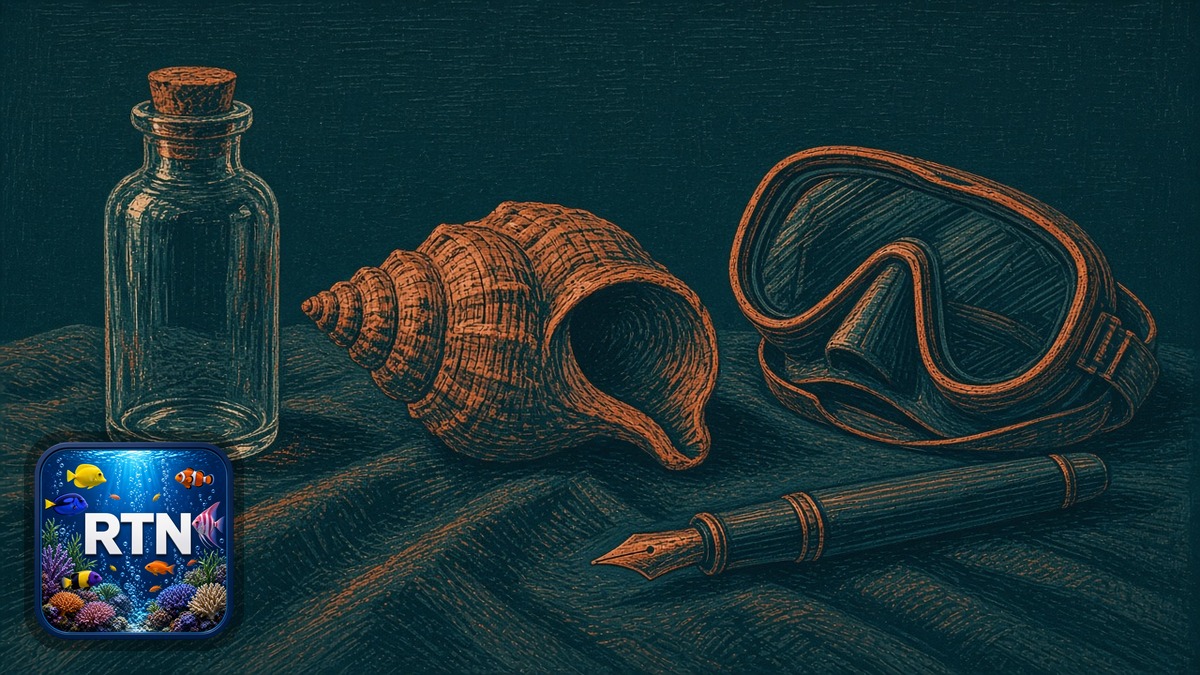
The Castro schemes were various, and most of them stayed on the drawing board or failed in the hand-over. Four poison pills were passed to a contact on 18 April 1962, the Inspector General’s account of the plots records. An exploding seashell was studied and then dropped as impractical, the same official history states. A diving suit was contaminated in the laboratory with a skin fungus and tuberculosis bacteria, but it was never used; the Inspector General and Richard Helms later gave different reasons for that failure, the Church Committee noted. The point of reciting those details is not to dress them up as a completed assassination. It is to show what the Agency was willing to try, and how often the attempt stopped short.
The Lumumba file is just as clear, and just as limited. Poison intended for the Congolese leader reached Leopoldville in September 1960, Church Committee Book I states. Book I found no evidence that such biological material was ever used against a person. It is therefore wrong to write, as some later retellings do, that the CIA poisoned Lumumba. The Agency sent the material. The official investigation did not find that it was used.
The 22 November 1963 meeting is the fact that conspiracy culture cannot leave alone, and the one that most needs a cold reading. A CIA officer offered a poison pen that day, and the Inspector General thought it likely the offer was made at the moment Kennedy was shot, the official report of those plots states. The same record draws no link between that meeting and Dallas. “This shows the CIA killed Kennedy” has no evidence in the files assembled for this series. The coincidence of the date is real. A causal link is not.
There is a still smaller, and fully documented, operational footnote. Gary Powers carried a shellfish-toxin pin hidden in a silver dollar when his U-2 was shot down in 1960, the later toxin inquiry found; that was the toxin’s only recorded operational use, and he was not told to use it, the same official account states. After President Nixon ordered toxins destroyed in 1970, a stash including about 11 grams of shellfish toxin remained in a CIA vault until 20 May 1975, the investigation of that cache recorded. The Agency that could not keep its own poison inventory in line with a presidential order is the same Agency whose plots are now inflated into a hidden world government.
None of this is a defence of the work. Official investigations already called MKULTRA and its sister programmes illegal, unethical and badly controlled. The Castro and Lumumba files show an organisation willing to use poison as an instrument of state. That is grave enough. It does not licence the leap from a poison pen offered on 22 November 1963 to a finding that the CIA killed the president. The files that survived are incomplete, as the 1973 destruction makes obvious. What they do contain should be reported as it stands: plots against Castro, a poison sent for Lumumba and not shown to have been used, and a meeting whose date has been asked to carry a weight the paperwork will not bear.
The official investigations did not treat these plots as folklore. The Rockefeller Commission in 1975 and the Church Committee after it went through CIA inspector-general files on the Castro schemes and on the Congo operation, Book I and the Inspector General’s report show. They found an organisation that had, in the Committee’s telling, been willing to work through criminal middlemen as well as through its own technical staff. They also found a paper trail full of cancelled ideas, unused devices and internal disagreement about whether a plan had ever been serious. That mixture — real intent, weak execution, incomplete files — is what the record will actually support.
It is also why the date 22 November 1963 has to be handled with more care than internet history usually allows. The Inspector General’s language about the timing of the poison-pen offer is striking, and it should be quoted as his assessment, not as a hidden confession. The same official account, as the research pack emphasises, stops short of any finding that the meeting was connected to the assassination in Dallas. Readers can notice the date. They should not be invited to treat a coincidence the files themselves refused to convert into a plot.
Sources
- Church Committee / CIA Inspector General plot files (via research pack), Source as cited. Accessed 18 November 2026.
- Tony Adams, Tea Room News research dossiers, scripts and source lists, 18 November 2026, Tony Adams research pack. Accessed 18 November 2026.
Sources link to external sites. Their content is the responsibility of their publishers.
More in Investigations
InvestigationsExplainer
From Vietnam to a British loft: the route that ends in a locked grow house
InvestigationsExplainer
Locked lofts: how Vietnamese workers are trafficked onto Britain’s cannabis farms
InvestigationsOpinion